Categories
Classes of RVs

Compact Comfort: Exploring the 7 Best Motorhome Floorplans Under 20 Feet

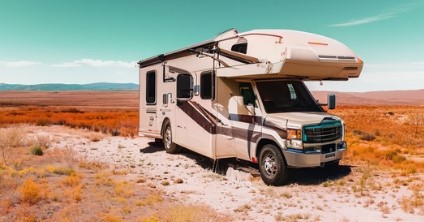
In the world of motorhomes, size doesn’t always dictate comfort and functionality. Compact motorhomes under 20 feet have become increasingly popular among adventurers seeking nimble, easy-to-maneuver vehicles without compromising on essential amenities. In this guide, we’ll explore the 7 best motorhome floorplans under 20 feet, showcasing how manufacturers have maximized space to provide a comfortable and efficient living experience.

The Appeal of Compact Motorhomes

  • Nimble Maneuverability: Motorhomes under 20 feet offer enhanced maneuverability, making them suitable for navigating narrow roads, tight campsites, and urban environments. This makes them an attractive option for travelers who value the freedom to explore diverse landscapes without the constraints of a larger rig.
  • Fuel Efficiency: Smaller motorhomes often boast better fuel efficiency compared to their larger counterparts. This can result in cost savings and a reduced environmental impact, making compact motorhomes an eco-friendly option for those conscious of their carbon footprint.
  • Versatile Use: Compact motorhomes are versatile and can cater to a range of travelers, from solo adventurers to couples or small families. Their efficient use of space ensures that every square foot serves a purpose, providing comfort without unnecessary excess.

The Criteria for Selection

The hallmark of a successful compact motorhome is its ability to use every inch of space wisely. The selected floorplans prioritize functionality, incorporating clever design features that maximize storage, living, and sleeping areas.

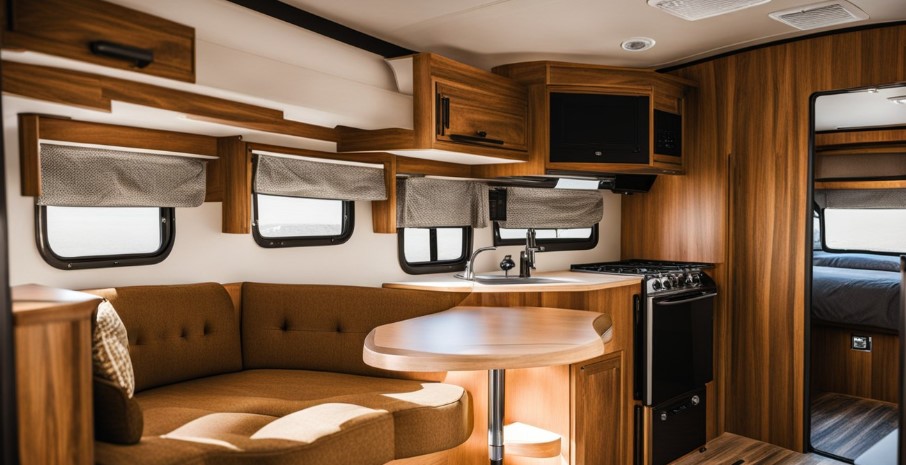
Despite their size, the best compact motorhomes don’t compromise on essential amenities. These floorplans include well-equipped kitchens, comfortable sleeping quarters, and functional bathroom spaces to ensure a comfortable travel experience.

The selected floorplans are versatile and adaptable to different travel styles. Whether you’re a weekend warrior, a full-time nomad, or someone looking for a cozy retreat, these motorhomes cater to a range of preferences.

The 7 Best Motorhome Floorplans Under 20 Feet

Winnebago Travato 59K:

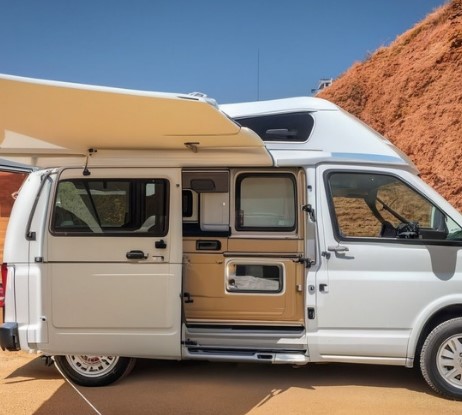
The Winnebago Travato 59K is a class B motorhome that measures just under 21 feet in length. Despite its compact size, the 59K floorplan is known for its efficient use of space. It features a rear wet bath, a functional galley kitchen, and a Flex Bed system that allows for multiple sleeping configurations.

Thor Motor Coach Sequence 20K:

The Thor Motor Coach Sequence 20K is a sleek and stylish class B motorhome measuring 19 feet 6 inches. Its floorplan includes a spacious wet bath, a fully-equipped kitchen with a convection microwave, and a flexible sleeping area that can convert from twin beds to a king-size bed.

Coachmen Beyond 22RB:

The Coachmen Beyond 22RB is a class B motorhome that offers a bit more space at just over 22 feet. The 22RB floorplan features a rear bath, a well-appointed galley with a sink, stove, and microwave, and a rear sofa that can convert into a bed. The versatile design makes it suitable for various travel preferences.

Airstream Interstate 19:

The Airstream Interstate 19 is a compact class B motorhome with a length of 19 feet 5 inches. Airstream’s renowned craftsmanship is evident in the Interstate 19, which features a rear wet bath, a galley kitchen, and a lounge area that converts into a sleeping space. The sleek exterior and iconic design make it a standout in the compact motorhome category.

Pleasure-Way Tofino:

The Pleasure-Way Tofino is a compact class B motorhome with a length of just over 17 feet. Designed with simplicity and functionality in mind, the Tofino features a versatile interior layout with a rear sofa that converts into a bed, a compact galley, and a pop-top roof that provides additional sleeping space.

Hymer Aktiv 1.0:

The Hymer Aktiv 1.0 is a class B motorhome that measures 19 feet 7 inches in length. Known for its European design and innovation, the Aktiv 1.0 floorplan includes a rear wet bath, a well-equipped kitchen with a two-burner stove, and a rear power sofa that converts into a bed. The compact size makes it easy to maneuver and park.

Leisure Travel Vans Wonder RTB:

The Leisure Travel Vans Wonder RTB is a class B+ motorhome with a length of 19 feet 7 inches. The RTB floorplan features a rear twin-bed sleeping area, a central wet bath, and a front galley with modern appliances. The innovative use of space and high-end finishes make it a standout in the under 20 feet category.

Comparing Features and Amenities

Kitchen Features: Compact motorhomes prioritize functional kitchens with amenities such as a two-burner stove, a sink, a refrigerator, and a microwave or convection oven. The layout is designed for efficiency, allowing for meal preparation in a limited space.

Bathroom Layout: Bathroom layouts in compact motorhomes typically feature a wet bath design, where the shower, toilet, and sink share the same space. This design maximizes the use of available square footage while providing the essential bathroom amenities.

Sleeping Arrangements: Sleeping arrangements vary among the selected floorplans, with options such as rear beds, convertible sofas, or pop-top roofs. The versatility of sleeping configurations ensures that travelers can adapt the space to their specific needs.

Storage Solutions: Efficient storage solutions are a hallmark of the best compact motorhome floorplans. Features such as overhead cabinets, under-bed storage, and cleverly designed closets provide ample space for stowing away belongings, ensuring a clutter-free living environment.

Dining and Lounge Areas: Despite their compact size, many floorplans include designated dining and lounge areas. These spaces may double as a workspace, and some floorplans feature swiveling front seats that can turn into additional seating when parked.

Pros and Cons of Compact Motorhomes Under 20 Feet

Pros:

Maneuverability: Compact motorhomes are easy to drive and navigate, making them suitable for a variety of road conditions and campsite environments.

Fuel Efficiency: Smaller motorhomes often boast better fuel efficiency, providing cost savings and reducing the environmental impact of travel.

Versatility: Compact motorhomes cater to a diverse range of travelers, from solo adventurers to couples or small families, offering a versatile and adaptable living space.

Ease of Parking: The smaller footprint makes it easier to find parking spaces, both at campsites and in urban areas, enhancing the overall travel experience.

Lower Maintenance Costs: Compact motorhomes generally have lower maintenance costs compared to larger rigs, making them more budget-friendly for owners.

Cons:

Limited Living Space: The most significant drawback of compact motorhomes is the limited living space. While manufacturers maximize functionality, there is a trade-off in terms of overall square footage.

Storage Challenges: Despite clever storage solutions, the limited space may pose challenges for those who carry a significant amount of gear or belongings.

Reduced Amenities:While compact motorhomes include essential amenities, they may lack some of the features and luxuries found in larger, more spacious models.

Fewer Sleeping Options: The sleeping configurations in compact motorhomes are limited compared to larger models, which may be a consideration for those traveling with more people.

Tips for Choosing the Right Compact Motorhome

  • Prioritize Needs and Preferences: Consider your specific travel needs and preferences. If you value maneuverability and simplicity, a smaller motorhome may be the right choice. Evaluate the features that matter most to you, such as sleeping arrangements, kitchen amenities, and bathroom layout.
  • Test Drive Before Purchasing: Before making a final decision, take the opportunity to test drive different models. Pay attention to how the motorhome handles on the road, how easy it is to park, and whether the interior layout meets your expectations for comfort and convenience.
  • Research Manufacturer Reputation: Research the reputation of motorhome manufacturers to ensure they have a track record of quality and customer satisfaction. Reading reviews and seeking recommendations from experienced RVers can provide valuable insights into the reliability of different brands.
  • Attend RV Shows and Expos: Attending RV shows and expos allows you to explore a variety of motorhomes in person, compare features, and speak directly with representatives from different manufacturers. This hands-on experience can help you make a more informed decision.
  • Consider Your Travel Style: Think about your typical travel style and the environments you plan to explore. If you prefer off-grid camping or enjoy more remote locations, a compact motorhome with off-road capabilities might be a great fit. If urban adventures are more your style, maneuverability and parking options become crucial considerations.

Compact motorhomes under 20 feet offer a compelling blend of efficiency, comfort, and versatility. As the RV industry continues to evolve, manufacturers are finding innovative ways to maximize space and amenities within these smaller footprints. Whether you’re a solo traveler seeking simplicity, a couple looking for a nimble escape, or a small family embracing the RV lifestyle, the 7 best motorhome floorplans discussed in this guide provide a starting point for exploration. By prioritizing your needs, considering your travel style, and test-driving different models, you can find the perfect compact motorhome that opens the door to a world of adventure on the open road.
Categories
Classes of RVs

Navigating the World of Camper Weights: Understanding, Choosing, and Managing

Embarking on the journey of camper ownership is an exciting venture into the world of nomadic living, but it comes with its own set of considerations, with one of the most crucial being camper weight. Understanding the weight dynamics of campers is essential for safe towing, compliance with regulations, and an overall enjoyable travel experience. In this comprehensive guide, we will explore the various aspects of camper weights, including classifications, towing capacities, weight distribution, and the impact of weight on camper safety and performance.

Importance of Understanding Camper Weight

  1. Safety and Stability: The safety and stability of your camper and towing vehicle are paramount considerations. Understanding and adhering to weight limits ensure that your rig remains stable on the road, reducing the risk of accidents or issues related to swaying, fishtailing, or loss of control.
  1. Legal Compliance: Government regulations and road safety laws dictate maximum weight limits for trailers and towed vehicles. Exceeding these limits can result in fines, penalties, or even the impoundment of your camper. Staying within legal weight parameters is crucial for hassle-free travel.
  1. Towing Efficiency: Camper weight directly affects the towing efficiency of your vehicle. Overloading can strain your engine, transmission, and braking system, leading to increased fuel consumption, wear and tear, and reduced overall performance. Understanding and managing camper weight contributes to a smoother and more efficient towing experience.

Types of Camper Weights

Dry Weight: Dry weight, also known as base weight, refers to the weight of the camper without any additional cargo, fluids, or passengers. It includes the essential components such as the chassis, frame, walls, roof, and basic appliances. Dry weight serves as a baseline for understanding a camper’s weight before adding personal belongings.

Gross Vehicle Weight Rating (GVWR): GVWR is the maximum allowable weight of a fully loaded camper, inclusive of all cargo, fluids, and occupants. Exceeding the GVWR can compromise the structural integrity and safety of the camper, as it surpasses the manufacturer’s design limitations. GVWR is a critical factor in ensuring a safe and compliant travel experience.

Gross Axle Weight Rating (GAWR): GAWR specifies the maximum weight each axle can support. It is crucial for distributing weight evenly across the axles to maintain stability and prevent overloading on specific wheels. GAWR is an important consideration when packing and loading the camper to avoid uneven weight distribution.

Tongue Weight: Tongue weight refers to the downward force exerted on the hitch ball by the camper’s coupler. Proper tongue weight is essential for maintaining a balanced and stable towing configuration. Too much or too little tongue weight can affect the handling and control of the towing vehicle.

Weight Distribution Systems and Sway Control

Weight distribution hitches are essential tools for maintaining proper weight distribution between the camper and the towing vehicle. These hitches utilize spring bars to distribute the weight evenly across all axles, reducing the strain on the rear axle of the towing vehicle and enhancing stability.

Sway control systems are designed to minimize trailer sway or fishtailing during towing. They can be integrated into weight distribution hitches or added separately. Sway control is particularly crucial when towing in windy conditions or when passing large vehicles.

Factors Affecting Camper Weight

  • Cargo and Personal Belongings:

The weight of personal belongings, camping gear, and supplies adds to the overall weight of the camper. It’s essential to carefully pack and distribute cargo to prevent overloading and ensure a balanced load.

  • Water and Fluids:

The fluids within the camper, including freshwater, propane, and wastewater, contribute significantly to the overall weight. Monitoring and managing these fluid levels are essential for staying within weight limits.

  • Appliances and Accessories:

Upgrades, additions, or modifications to the camper, such as solar panels, awnings, or extra appliances, can impact its weight. It’s important to factor in the weight of these accessories when considering the overall weight of the camper.

Tow Vehicle Considerations

  1. Towing Capacity:

Understanding your vehicle’s towing capacity is a fundamental step in selecting an appropriately sized camper. The towing capacity is the maximum weight your vehicle can tow safely. Exceeding this limit can strain the engine, transmission, and brakes, leading to safety hazards.

  1. Hitch Class:

Hitches are classified into different classes based on their weight-carrying capacity. Knowing the hitch class of your towing vehicle is crucial for selecting the appropriate hitch and ensuring compatibility with the camper’s weight.

  1. Suspension and Braking:

The suspension and braking systems of the towing vehicle play a critical role in managing the added weight of the camper. Upgrading these systems, if necessary, can contribute to a safer and more controlled towing experience.

Popular Camper Weight Classifications

Lightweight Campers:

Lightweight campers are designed to be towed by smaller vehicles and often fall within the range of 1,500 to 5,000 pounds. These campers are compact, fuel-efficient, and ideal for those with smaller towing vehicles.

Travel Trailers:

Travel trailers come in various sizes and weights, ranging from lightweight models suitable for SUVs to larger trailers that require heavy-duty trucks. They offer a range of amenities, from basic features to luxurious accommodations.

Fifth-Wheel Trailers:

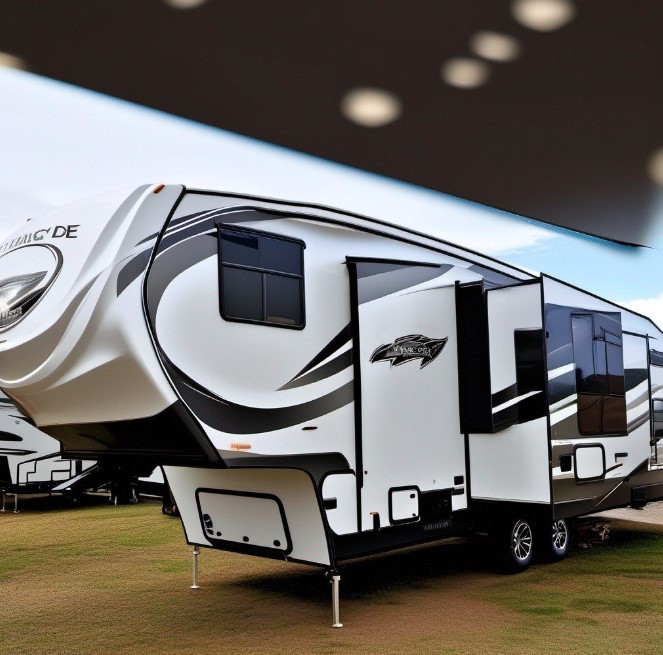
Fifth-wheel trailers are larger and generally heavier than traditional travel trailers. They are designed to be towed by pickup trucks equipped with a specialized fifth-wheel hitch. Fifth-wheel trailers often provide spacious interiors with multiple slide-outs.

Toy Haulers:

Toy haulers are versatile campers designed for those who want to bring along recreational vehicles such as ATVs, motorcycles, or bicycles. They have a garage space in the rear that doubles as a living area when the toys are removed.

Real-World Examples of Camper Weights

To provide a practical understanding of camper weights, let’s explore real-world examples across different camper types:

**Lightweight Camper:**

– A 2022 Forest River R-Pod 180 (lightweight travel trailer) has a dry weight of approximately 3,426 pounds.

**Travel Trailer:**

– A 2022 Airstream Flying Cloud 25FB (mid-size travel trailer) has a dry weight of around 5,421 pounds.

**Fifth-Wheel Trailer:**

– A 2022 Keystone Montana High Country 330RL (mid-size fifth-wheel trailer) has an unloaded weight of approximately 11,005 pounds.

**Toy Hauler:**

– A 2022 Grand Design Momentum G-Class 21G (toy hauler) has an unloaded weight of about 6,300 pounds.

Tips for Managing Camper Weight

  • uncheckedKnow Your Limits: Understand the weight ratings of your camper, towing vehicle, and hitch. Stay within these limits to ensure a safe and compliant travel experience.
  • uncheckedWeigh Your Rig: Regularly weigh your fully loaded rig, including passengers, cargo, and fluids, to ensure you are within legal and safe weight limits. Many truck stops and RV parks have weigh stations.
  • uncheckedBalance the Load: Distribute the weight evenly across the camper axles to maintain proper balance. Pay attention to tongue weight and use a weight distribution hitch when necessary.
  • uncheckedMinimize Unnecessary Items: Pack only essential items to minimize unnecessary weight. Consider the weight of every item you bring on board to avoid overloading the camper.
  • uncheckedConsider Upgrades Wisely: When modifying or upgrading your camper, be mindful of the impact on weight. Consider lightweight materials and prioritize upgrades that add value without significantly increasing the overall weight.

Navigating the intricacies of camper weights is essential for a safe, enjoyable, and compliant RV experience. Whether you’re a first-time camper owner or a seasoned traveler, understanding the classifications, weight ratings, and real-world examples provides a solid foundation for making informed decisions. By embracing best practices, utilizing weight distribution systems, and staying within specified limits, you can embark on your RV adventures with confidence, knowing that you’ve prioritized safety and stability on the open road.

Categories
Classes of RVs

Navigating Your RV Adventure: A Comprehensive Guide to Average KOA Campground Costs

Embarking on an RV adventure offers the promise of freedom, exploration, and a connection with the great outdoors. When it comes to finding a place to park your RV for the night, Kampgrounds of America (KOA) campgrounds are a popular choice for many travelers. In this guide, we’ll explore the average costs of KOA campgrounds, providing you with insights into what to expect and offering 30 example prices from various locations across the United States.

Understanding KOA Campgrounds

  • The Appeal of KOA: KOA campgrounds have earned a reputation for their well-maintained facilities, family-friendly atmosphere, and a wide range of amenities. With over 500 locations across North America, KOA campgrounds cater to a diverse range of travelers, from families and solo adventurers to retirees seeking a comfortable and convenient place to stay.
  • Amenities and Services: KOA campgrounds often boast amenities such as full hookups, Wi-Fi, laundry facilities, recreational areas, and even organized activities. The consistent quality and service make them a reliable choice for RV enthusiasts looking for a hassle-free camping experience.

Factors Affecting KOA Campground Costs

One of the primary factors influencing KOA campground costs is the location. Campgrounds situated in popular tourist destinations or near major attractions may command higher prices due to increased demand. In contrast, campgrounds in more remote or less sought-after areas may offer more affordable rates.

The size and type of the campground can also impact costs. Larger campgrounds with extensive amenities may charge higher fees, while smaller, more basic campgrounds might offer a more budget-friendly option. Additionally, KOA campgrounds may vary in type, with some being Holiday Parks offering enhanced amenities.

Many KOA campgrounds adjust their rates based on the season. Peak travel times, such as summer months or holidays, often see higher prices due to increased demand. Conversely, off-peak seasons may provide an opportunity for more budget-friendly camping.

To give you a better understanding of what to expect, let’s explore 30 example prices from KOA campgrounds across different regions of the United States:

West Coast:

  1. San Diego Metro KOA (California): $60-$90 per night
  2. Cascade Locks/Portland East KOA (Oregon): $45-$75 per night
  3. Spokane KOA (Washington): $50-$80 per night

Mountain Region:

  1. Yellowstone Park/Mountainside KOA (Montana): $70-$110 per night
  2. Estes Park KOA Journey (Colorado): $55-$85 per night
  3. Albuquerque North KOA Journey (New Mexico): $40-$70 per night

Midwest:

  1. Chicago Northwest KOA (Illinois): $60-$90 per night
  2. Minneapolis Northwest KOA (Minnesota): $50-$80 per night
  3. Indianapolis KOA (Indiana): $45-$75 per night

South:

  1. New Orleans KOA (Louisiana): $50-$80 per night
  2. Nashville KOA Holiday (Tennessee): $55-$85 per night
  3. Myrtle Beach KOA Resort (South Carolina): $60-$90 per night

Northeast:

  1. Bar Harbor/Woodlands KOA Holiday (Maine): $70-$110 per night
  2. Niagara Falls/Grand Island KOA Holiday (New York): $55-$85 per night
  3. Cape Cod KOA (Massachusetts): $60-$90 per night

Texas and Southwest:

  1. San Antonio KOA (Texas): $50-$80 per night
  2. Flagstaff KOA Journey (Arizona): $45-$75 per night
  3. Las Vegas KOA at Sam’s Town (Nevada): $60-$90 per night

Florida:

  1. Orlando/Kissimmee KOA Holiday (Florida): $60-$90 per night
  2. Key West KOA Journey (Florida): $80-$120 per night
  3. Fort Lauderdale KOA Holiday (Florida): $70-$110 per night

Pacific Northwest:

  1. Astoria/Warrenton/Seaside KOA Holiday (Oregon): $55-$85 per night
  2. Seattle/Tacoma KOA Journey (Washington): $50-$80 per night
  3. Vancouver KOA (British Columbia, Canada): $60-$90 per night

Central Plains:

  • St. Louis West/Historic Route 66 KOA (Missouri): $50-$80 per night
  • Omaha West KOA Journey (Nebraska): $45-$75 per night
  • Wichita Falls KOA Journey (Texas): $40-$70 per night

Great Lakes:

  1. Mackinaw City KOA Holiday (Michigan): $55-$85 per night
  2. Toledo East/Stony Ridge KOA Journey (Ohio): $45-$75 per night
  3. Erie KOA Holiday (Pennsylvania): $50-$80 per night

Tips for Budget-Friendly Camping at KOA

Join the KOA Rewards Program: Enrolling in the KOA Rewards Program can provide you with discounts on camping fees, earning you points for every dollar spent. These points can be redeemed for future stays, offering a cost-effective way to enjoy KOA campgrounds.

Explore Special Offers and Deals: KOA often runs special promotions and discounts, especially during off-peak seasons. Keep an eye on their website or subscribe to newsletters to stay informed about any ongoing deals that might help you save on your camping expenses.

Consider Extended Stays: Some KOA campgrounds offer discounts for extended stays, such as weekly or monthly rates. If your travel plans allow for a more extended camping duration, this option can result in significant cost savings.

Navigating the costs of KOA campgrounds is an essential aspect of planning your RV adventure. With the insights provided in this guide, you can now make informed decisions about where to stay, what to expect, and how to maximize your budget. Whether you’re drawn to the stunning landscapes of the West Coast, the vibrant culture of the South, or the historical charm of the Northeast, KOA campgrounds offer a diverse array of options to suit every traveler’s preferences. Happy camping!

Categories
Classes of RVs

Navigating the RV Market: A Comprehensive Guide to the RV Blue Book

Recreational Vehicles (RVs) have become an integral part of the American travel experience, offering the freedom to explore the open road with the comforts of home. Whether you’re a seasoned RV enthusiast or a novice considering your first purchase, understanding the market value of RVs is crucial. The RV Blue Book serves as a valuable resource in this regard, providing a comprehensive guide to pricing, valuations, and market trends. In this article, we will delve into the intricacies of the RV Blue Book, exploring its history, how it works, and its significance in the dynamic RV marketplace.

The Origins of the RV Blue Book

Historical Background

The concept of a blue book for RVs traces its roots back to the mid-20th century. As the popularity of RV travel soared, there arose a need for a standardized method to determine the fair market value of these diverse vehicles. The RV Blue Book emerged as a solution, offering a reference guide that compiled data on RV makes, models, and conditions, enabling buyers and sellers to make informed decision

Evolution Over Time

Since its inception, the RV Blue Book has evolved to keep pace with the ever-changing RV industry. Initially a printed publication, it transitioned to digital platforms to provide real-time updates and access to a broader audience. The continuous refinement of valuation methods and the inclusion of additional data points have enhanced the accuracy and reliability of the RV Blue Book over the years.

Understanding the RV Blue Book

What is the RV Blue Book?

The RV Blue Book, officially known as the RV Blue Book Guide, is a comprehensive pricing guide that provides fair market values for new and used RVs. Much like the Kelley Blue Book for automobiles, the RV Blue Book offers a standardized approach to evaluating the worth of RVs, taking into account various factors that influence their market value.

How Does it Work?

The RV Blue Book employs a systematic approach to determine the value of RVs based on specific criteria. These criteria include the make, model, year of manufacture, mileage, overall condition, and additional features or upgrades. By inputting these details, buyers and sellers can obtain an estimated fair market value, giving them a benchmark for negotiations and transactions.

Factors Influencing RV Valuations

Make and Model:

The make and model of an RV are fundamental factors in determining its value. Recognized brands with a history of reliability and popularity tend to hold their value better in the market. Additionally, specific models may have unique features or layouts that can impact their desirability and, consequently, their market value.

Age and Mileage:

As with any vehicle, the age and mileage of an RV play a significant role in its valuation. Newer models generally command higher prices, while mileage affects the overall wear and tear on the vehicle. However, well-maintained older RVs with low mileage can still hold substantial value, depending on their condition.

Condition and Upgrades:

The overall condition of an RV, both mechanically and aesthetically, is a critical factor in its valuation. The presence of upgrades or modifications, such as improved appliances, solar panels, or interior renovations, can positively influence the RV’s market value. Conversely, signs of neglect or the need for significant repairs may lower its value.

Market Trends:

The RV market is dynamic, and external factors such as economic conditions, fuel prices, and consumer preferences can impact RV values. The RV Blue Book incorporates these market trends into its valuations, providing users with insights into the broader industry landscape.

Types of RVs Covered by the Blue Book

Motorhomes:

The RV Blue Book covers a wide range of motorhomes, including Class A, Class B, and Class C models. Class A motorhomes are typically the largest and most luxurious, while Class B motorhomes are more compact and maneuverable. Class C motorhomes offer a middle-ground option, combining aspects of both Class A and Class B.

Travel Trailers:

Travel trailers come in various sizes and styles, from lightweight towable trailers to larger fifth-wheel trailers. The RV Blue Book accounts for these differences, providing valuations for a diverse array of travel trailers based on their specifications and features.

Camper Vans:

Camper vans, known for their compact size and versatility, are also included in the RV Blue Book. These vehicles often appeal to those seeking a more nimble and fuel-efficient option for their travels.

Using the RV Blue Book for Buyers and Sellers

For Buyers:

Buyers can leverage the RV Blue Book as a powerful tool for informed decision-making. By researching the fair market value of a specific RV model, buyers can assess whether the asking price aligns with industry standards. This knowledge empowers buyers to negotiate effectively and make well-informed purchasing decisions.

For Sellers:

Sellers benefit from the RV Blue Book by gaining insights into the fair market value of their RV. This knowledge allows sellers to set realistic and competitive asking prices, increasing the likelihood of attracting potential buyers. Additionally, understanding the factors that influence RV valuations enables sellers to highlight the positive aspects of their RV during the sales process.

Limitations and Considerations

Individual RV Variability:

While the RV Blue Book provides valuable guidance, it’s essential to recognize that each RV is unique. Factors such as maintenance history, ownership care, and specific upgrades can significantly impact an RV’s value, making it crucial to consider these individual variables in addition to the Blue Book estimate.

Regional Disparities:

Market conditions and preferences can vary by region, influencing RV values. Sellers and buyers should be aware of regional disparities and adjust their expectations accordingly. Factors such as climate, local demand, and camping culture can all contribute to variations in RV pricing.

Alternatives to the RV Blue Book

NADA Guides:

The National Automobile Dealers Association (NADA) also provides a comprehensive guide for RV valuations. Similar to the RV Blue Book, NADA Guides consider factors such as make, model, age, and condition to determine fair market values. Some buyers and sellers prefer consulting both the RV Blue Book and NADA Guides to obtain a more comprehensive understanding of an RV’s value.

Professional Appraisals:

For those seeking a highly detailed and personalized valuation, professional appraisers specializing in RVs can provide in-depth assessments. While this option may involve additional costs, it can be particularly beneficial for unique or custom RVs that may not fit neatly into the standardized categories of valuation guides.

In the dynamic world of RV travel, the RV Blue Book stands as a beacon of information, guiding both buyers and sellers through the intricate process of determining fair market values. Its evolution from a printed publication to a digital resource reflects the commitment to providing accurate and up-to-date information in an ever-changing industry. By understanding the factors that influence RV valuations and leveraging the insights offered by the RV Blue Book, enthusiasts can embark on their RV journeys with confidence, knowing they’ve made informed decisions in the pursuit of adventure on the open road.
Categories
Classes of RVs

The Most Budget-Friendly Snowbird Destinations for RVers

Budget-Friendly Snowbird Getaways to Explore This Winter

When the cold weather descends upon the northern regions, countless RVers make their way south to escape the harsh winter. Typically, these winter travelers gravitate toward popular destinations like Florida and Arizona, causing these areas to experience an influx of snowbird populations. However, there’s a downside to many of these favored snowbird spots: they can be quite expensive!

But, here’s the good news. Many budget-friendly snowbird destinations are still waiting to be discovered by thrifty RVers. Today, we’ll explore just that and answer the question: What are the most budget-friendly snowbird destinations for RVers?

In our list of snowbird destinations, you’ll discover places offering sun, sand, and an affordable cost of living.

Clearwater, Florida

The Sunshine State boasts a multitude of budget-friendly snowbird destinations, and you’ll see it prominently featured in this list. Claiming the top spot is Clearwater, located in central Florida, thanks to its perfect blend of low living costs and an excellent quality of life.

This area boasts stunning beaches, a plethora of exceptional restaurants and bars, and a rich cultural scene. Clearwater is also part of the Tampa Bay area, which means there are plenty of other towns and cities nearby that make for great snowbird destinations. Plus, they provide numerous opportunities for exciting day trips.

While you’re soaking in the wonders of this fantastic snowbird spot, savor a delicious Cuban sandwich in Tampa’s Ybor City, attend a Lightning game, or head to St. Pete to explore the remarkable Dalí Museum.

Green Valley, Arizona

While most of our top snowbird destinations are found in the south, there are fantastic options out west too. One such gem is Green Valley, Arizona. This small community is home to a significant number of retirees and snowbirds, ensuring you’ll be among kindred spirits.

The town itself exudes tranquility and offers a laid-back atmosphere. It’s extremely budget-friendly with low taxes. For those who enjoy zipping around in a golf cart, you’ll love the town’s golf cart-friendly infrastructure, complete with designated golf cart lanes. Green Valley also boasts an array of recreational options to keep you active and entertained, including 13 recreation centers, golf courses, pickleball courts, and more.

All of this is complemented by a mild climate that’s ideal for escaping the northern chill.

Cape Coral, Florida

South Florida is undoubtedly an attractive snowbird destination, but it often comes with a hefty price tag. Fortunately, budget-conscious travelers can find affordable options in the region by heading to the west coast, where Cape Coral, Florida, awaits.

Cape Coral offers the same incredible weather and beautiful beaches as its pricier neighbors, all at a more affordable rate.

In addition to its affordability, the area features stunning nature preserves (like Pine Island Sound!), a rich historical heritage, and a vibrant cultural scene. If Cape Coral isn’t quite your speed, the nearby towns of Fort Myers, Bonita Springs, and Port Charlotte also serve as excellent budget-friendly snowbird destinations.

Brownsville, Texas

Texas’s Gulf Coast is teeming with wonderful snowbird destinations, but for those seeking affordability, the prime choice is the border town of Brownsville, Texas.

Brownsville offers pleasant, mild weather and numerous wildlife refuges to explore, including Resaca de la Palma State Park, the largest park in the World Birding Center network. History enthusiasts will be enthralled by the area, which played a significant role in various major battles during the American Civil War, Mexican-American War, and Texas Revolution. Science enthusiasts will appreciate a visit to the nearby SpaceX facility.

There are also several fantastic places to explore nearby, such as San Benito and Harlingen, not to mention the neighboring city of McAllen, another budget-friendly snowbird haven. Moreover, you’re just a short distance away from South Padre Island, one of Texas’s top destinations for beachside fun.

Additionally, Brownsville’s proximity to Mexico makes it an excellent choice for snowbirds and retirees who can conveniently cross the border for affordable dental care and more.

Pensacola, Florida

Moving to the Florida Panhandle, we find our next featured snowbird destination: Pensacola, Florida.

Pensacola proudly claims the title of one of the most economical coastal cities in the state, making it an excellent selection for those who must live near the beach. The city offers plenty to see and do, with its most significant attraction being the surrounding area.

The Florida Panhandle is a treasure trove of hidden gems and stunning beaches that are well worth exploring. A few suggestions include:

  • Destin, with some of the world’s whitest sand on its beaches.
  • Seaside, a charming small town so picturesque that it served as the filming location for “The Truman Show.”
  • Panama City Beach, a world-renowned spring break destination.

Savannah, Georgia

Savannah stands out as an exceptional and affordable snowbird destination that is unlike any other.

Nestled along the coast just past the border with South Carolina, Savannah offers a wide range of attractions for snowbirds and retirees. The city’s rich history is immaculately preserved, featuring historic buildings and squares for exploration. You’ll also find numerous green spaces, with small parks every few blocks.

Moreover, Savannah is home to the Savannah College of Art and Design, which infuses the town with a vibrant and active arts scene. The city also boasts a collection of incredible bars and restaurants waiting to be discovered.

La Paz, Baja California Sur, Mexico

Our final snowbird destination might be a bit farther south, but it’s well worth the journey. Welcome to La Paz, situated in the Mexican state of Baja California Sur.

La Paz offers a fantastic experience for thrifty snowbirds. Much like many other Mexican destinations, it’s remarkably more budget-friendly than its U.S. counterparts. Despite being located in one of Mexico’s most sought-after states, La Paz remains highly affordable.

In addition to the cost of living, La Paz provides splendid oceanfront weather and the unique “desert beach” ambiance of Baja California. For those seeking culinary delights, rich culture, and a laid-back lifestyle, La Paz delivers all the attributes that have made Mexico a top global tourist destination.

Access RV-Friendly Directions

The world of RV travel is filled with budget-friendly snowbird destinations, each offering an ideal escape from the cold without draining your wallet. Now, all that remains is for you to decide where to go and start planning your winter getaway!

Categories
Classes of RVs

All About the Different Classes of RVs: An Illustrated Guide

Recreational vehicles (RVs) have become a popular choice for travel enthusiasts seeking adventure, comfort, and a home on wheels. With a wide range of RV classes and types available, it can be overwhelming to choose the one that suits your lifestyle and needs. In this illustrated guide, we will explore the various classes of RVs, including RV open range, the lightest truck camper, travel trailers under 1500 pounds, and the best Class A diesel RVs under 35 feet. Whether you’re a seasoned RVer or a newbie looking to hit the road, this guide will help you make an informed decision.

RV Open Range: Unleash Your Adventurous Spirit

The term “open range” brings to mind the image of boundless freedom, and RV open range models aim to provide just that. These RVs are designed for the nomadic souls who seek uncharted territories and off-the-beaten-path adventures. They are typically classified as travel trailers and fifth wheels and are characterized by their rugged build and off-road capabilities. RV open range units come equipped with features such as heavy-duty suspension, all-terrain tires, and robust construction to withstand the toughest conditions. They are perfect for those who want to explore national parks, remote wilderness, and boondocking locations. The spacious interiors offer all the comfort of home, making them an ideal choice for extended stays in the wild.

Lightest Truck Camper: Travel Light, Travel Anywhere

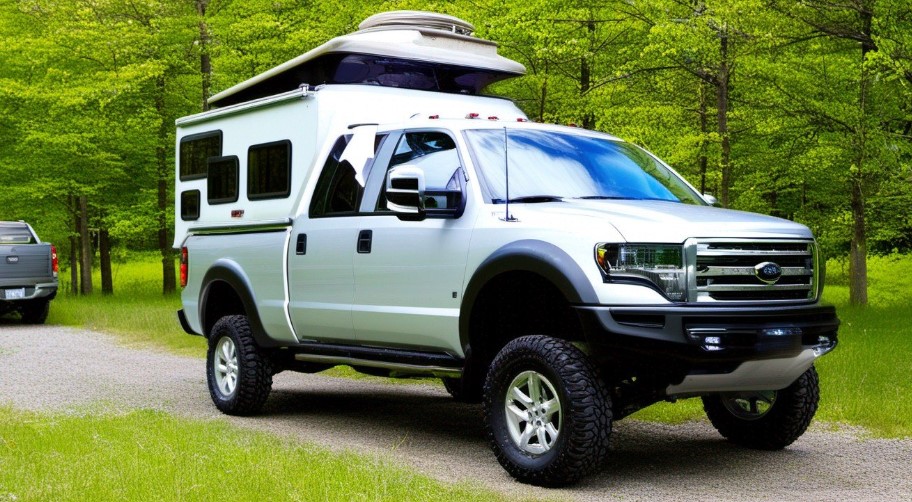
Truck campers are a versatile and compact option for those who prefer the mobility of a pickup truck combined with the convenience of an RV. When it comes to finding the lightest truck camper, weight is a crucial factor, as it determines the type of truck needed to carry the camper. These lightweight units are designed to fit into the bed of a pickup truck and are easy to transport. They are an excellent choice for adventurers who want to explore rugged terrains without the hassle of towing a trailer. The compact yet well-equipped interiors provide all the essentials for a comfortable journey, including a sleeping area, kitchenette, and bathroom facilities. With a light truck camper, you can travel anywhere your truck can go.

Travel Trailers Under 1500 Pounds: The Ultimate in Towability

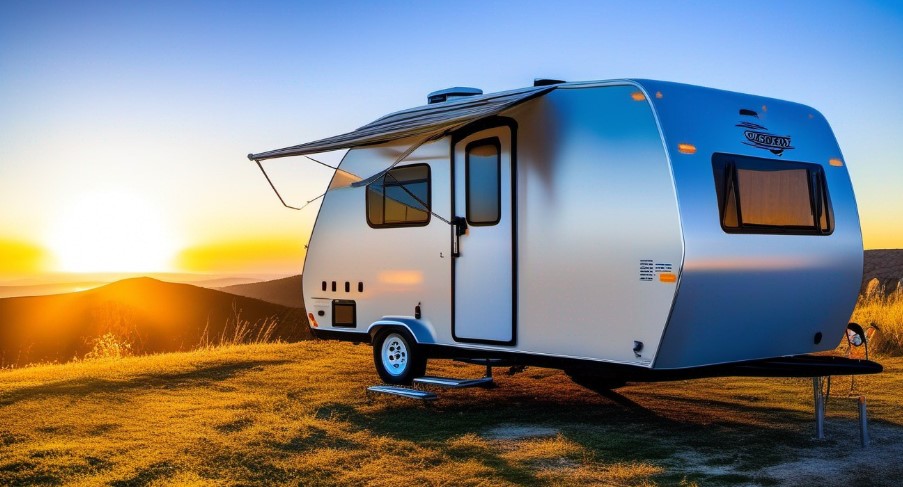
Travel enthusiasts often seek the freedom and convenience of travel trailers, but not everyone has a heavy-duty truck to tow a massive rig. Enter travel trailers under 1500 pounds, the perfect solution for those with smaller tow vehicles. These lightweight trailers are designed to be towed by mid-sized SUVs and even some smaller cars. They come in a variety of floor plans and sizes, offering all the comforts of a larger RV in a compact package. Inside, you’ll find a well-designed living space with sleeping areas, a kitchenette, and a bathroom. These lightweight trailers are an excellent choice for solo travelers, couples, or small families who want to hit the open road without the need for a big tow vehicle.

Best Class A Diesel RV Under 35 Feet: Luxury and Convenience Combined

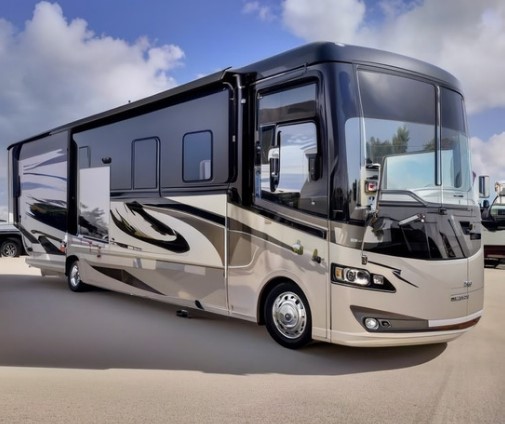
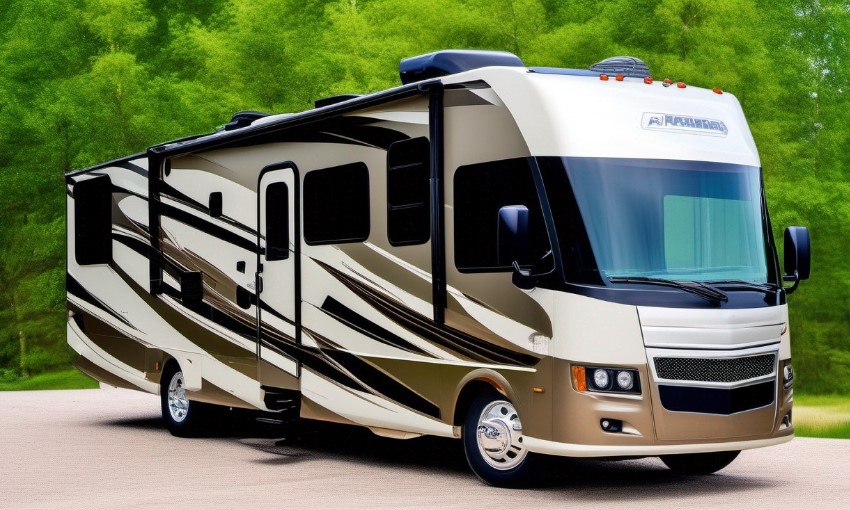
If you’re looking for the pinnacle of luxury and comfort in the world of RVs, the Class A diesel motorhome is your answer. The challenge is finding one that is both opulent and under 35 feet in length. These vehicles are known for their spacious interiors, high-end amenities, and a smooth ride, all powered by a diesel engine that provides better fuel efficiency and towing capabilities. While Class A motorhomes are often associated with larger sizes, there are models available that maintain the luxurious features while staying under the 35-foot mark. This makes them more versatile for maneuvering in campgrounds and parking lots, while still offering all the amenities one could desire, including a full kitchen, multiple sleeping areas, and lavish living spaces.

In the world of RVs, there is something for everyone, no matter your preferences or travel style. Whether you’re a rugged explorer, a solo adventurer, a family on the move, or a luxury seeker, there’s an RV class that caters to your needs. The RV open range models are perfect for off-road enthusiasts, light truck campers offer mobility, travel trailers under 1500 pounds provide towability for smaller vehicles, and the best Class A diesel RVs under 35 feet combine luxury and convenience. By understanding the different classes of RVs, you can make an informed decision and embark on your next adventure with confidence. So, pick your RV, hit the road, and let your journey begin!

How wide is a class A motorhome?

The width of a Class A motorhome can vary, but a typical width for these vehicles is around 8 to 8.5 feet (96 to 102 inches). Some larger Class A motorhomes may exceed these dimensions, so it’s essential to check the specific measurements of the model you’re interested in.

Can a Jeep Cherokee pull a camper? 

Whether a Jeep Cherokee can pull a camper depends on the size and weight of the camper, as well as the towing capacity of the Jeep Cherokee. The Jeep Cherokee is not known for its high towing capacity, so it’s best suited for towing small and lightweight trailers. Check your Jeep Cherokee’s owner’s manual for its towing capacity and ensure that the camper you intend to pull falls within that limit.

How to tow a fifth wheel? 

Towing a fifth wheel involves several steps:

  1.    Ensure you have a vehicle with a compatible fifth-wheel hitch installed in the truck bed.
  2.    Back the tow vehicle (usually a pickup truck) under the fifth-wheel trailer hitch and lower it onto the hitch.
  3.    Secure the hitch by latching it in place and doing a safety check.
  4.    Connect the electrical and brake controller connections between the truck and the trailer.
  5.    Make sure the trailer brakes, lights, and turn signals are working correctly.
  6.    Perform a safety check and ensure that the trailer is securely connected.
  7.    When driving, take turns and maneuvers into consideration, as fifth-wheel trailers have a unique pivot point and require different driving techniques compared to other trailers.

Why are truck campers so expensive? 

Truck campers can be expensive due to several factors:

  •    Compact Size: Truck campers need to be designed to fit in the bed of a pickup truck, which requires careful engineering and space optimization.
  •    Build Quality: Many truck campers are built with high-quality materials to withstand rough road conditions and provide durability.
  •    Amenities: Despite their small size, truck campers often include various amenities, such as a kitchen, bathroom, sleeping areas, and storage, which can increase their cost.
  •    Customization: Some truck campers can be customized to meet specific requirements, and this customization may add to the cost.
  •    Brand and Model: Different brands and models of truck campers offer varying levels of luxury and features, affecting the price.

How much do toy haulers weigh?

The weight of toy haulers can vary significantly depending on their size, design, and features. Smaller toy haulers might weigh around 4,000 to 6,000 pounds, while larger and more luxurious models can weigh upwards of 10,000 pounds or more. It’s crucial to check the specific weight specifications for the toy hauler you are interested in, as they can vary greatly among different models and manufacturers. Additionally, make sure your tow vehicle has the towing capacity to safely haul the toy hauler you choose.