
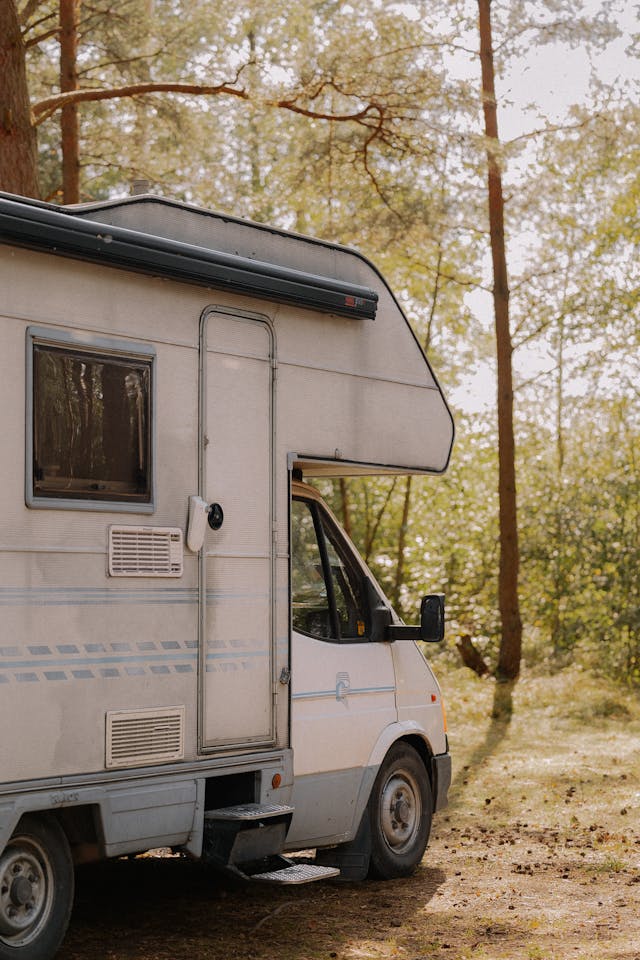
Having a shower in an RV might seem like a given—after all, it’s a home on wheels. When you’re out on the road for days or even weeks, being able to freshen up is a major perk.
So, do RVs have showers? Most RVs are equipped with a shower connected to the main fresh water tank. While smaller models like Class B camper vans and teardrop trailers often lack built-in showers, the majority of other RV types include at least a compact one.
The ability to shower while camping is a game-changer, but it’s not as simple as stepping into a traditional home bathroom. Proper planning and understanding of your RV’s water system are essential to making the most of this feature.
RV Showers: What to Expect on the Road
When traveling with a spouse and kids, a shower can quickly become a necessity rather than a luxury. Halfway through a camping trip, nothing restores sanity quite like the ability to wash away the day’s grime and feel refreshed.
However, no matter what kind of RV you have, your shower won’t resemble the one at home. While you’ll still have the essentials—a showerhead, water knobs, and a drain—the size, water pressure, and overall experience will be quite different.
The main purpose of an RV shower isn’t indulgence—it’s about quickly rejuvenating yourself so you can enjoy the rest of your trip feeling clean and refreshed. While showering may not always be convenient (especially when conserving water), most RVs do come equipped with this feature, allowing you to freshen up whenever needed.
Confronting the Reality of a Small Shower
If you’re expecting a luxurious, spa-like experience in your RV shower, think again. In most cases, it’s as if someone took a standard shower and shrunk it down to fit into a tiny corner of your bathroom.
Limited space is the biggest challenge. You’ll have minimal elbow room, and if you’re tall, you might find yourself awkwardly bending to fit under the showerhead. Storage is also scarce—most RV showers have little to no shelving, so pack only the essentials when it comes to toiletries. A cabinet or vanity drawer may be available, but don’t expect much room inside the shower itself.
Another factor to consider is temperature and comfort. RV bathrooms tend to be small and chilly, but as long as your water heater is working, you can still enjoy a warm rinse. However, getting clean, dried off, and dressed in a space barely larger than a broom closet may feel like an Olympic-level challenge.
That said, the reward is stepping out of the bathroom feeling fresh and human again. While some campers don’t mind going a few days without a full shower—embracing the scent of campfire smoke, sweat, and adventure—for those living on the road long-term, an RV shower becomes an essential part of daily life.
If you’re considering full-time RV living, it’s important to adjust your expectations and develop an efficient shower routine. The size of the shower and the capacity of your water tank will vary depending on the RV model, so choosing the right one for your needs is crucial.
Finally, keep in mind that the price of an RV is often directly tied to its size and amenities—so if a spacious bathroom is a priority, be prepared to invest accordingly.
Water Conservation in RV Showers
Water conservation in an RV isn’t just about being environmentally friendly—it’s about ensuring you don’t run out of water before your trip is over. Unlike a house, RVs have limited water storage, and managing it effectively is key to a comfortable journey.
Understanding Your RV’s Water System
Most RVs are equipped with a fresh water tank and a water heater. Tank sizes can range from 6 to 15 gallons, depending on the model. If you’re using a compact RV like a Class B or a Teardrop, you likely won’t have a built-in shower at all. Larger RVs, such as fifth wheels and Class A motorhomes, provide more water capacity, making showers a practical option.
Before taking a shower, you’ll need to turn on the water heater and wait for it to warm up. This ensures that your shower will be at a comfortable temperature before you step in. Always test the water first to avoid extreme temperatures.
The G.I. Shower Method
Because RV water supplies are limited, many experienced campers use a technique known as the “G.I. shower.” This method helps stretch your water supply over a longer period, especially on extended trips.
- Turn on the water – Get wet quickly, then turn it off.
- Lather up – Apply soap and shampoo without the water running.
- Rinse efficiently – Turn the water back on just long enough to rinse off.
While this approach may not provide the luxurious experience of a home shower, it ensures that everyone in your group gets to shower without depleting the water supply too quickly.
Adapting to the Experience
Showering in an RV isn’t always a pleasant experience—especially in cold weather. Turning off warm water to lather up can be an uncomfortable shock. However, reminding yourself of the end goal—a clean and refreshed feeling—can make it more tolerable.
Water conservation isn’t just about necessity; it’s part of the RV lifestyle. Learning to adapt to these changes helps you make the most of your adventure while appreciating the little comforts of home even more when you return.
By mastering the balance between conservation and comfort, you can enjoy a refreshing shower on the road without worrying about running out of water.
Showering Alternatives
When you’re on the road, sometimes a traditional shower just isn’t an option. That’s when alternative cleaning methods become essential—even if they aren’t the most glamorous.
A quick sponge bath might not be your first choice, but in the world of RV living, it can be a lifesaver. A simple washcloth and warm water can do wonders for keeping you feeling refreshed between full showers. Baby wipes or wet wipes are also handy for a quick refresh, especially when water conservation is a priority.
If you’d rather have something closer to a real shower experience, heating water on the stove and using it with a washcloth can be an effective solution. It may not be luxurious, but it’s a practical way to stay clean when your RV’s water supply is limited.
Taking a few moments to freshen up—whether with a rinse-off shower or a quick sponge bath—can make all the difference in your comfort and enjoyment on the road. While most RVs come with showers, deciding when and how to use them will depend on your water supply, travel plans, and personal preferences.