
It’s important to note that RV depreciation rates can vary widely, and these guidelines are generalizations. To get a more accurate estimate of depreciation for a specific RV, consider consulting resources like RV valuation guides, industry experts, or online marketplaces where similar models are listed for sale. Additionally, factors like regional market conditions and individual buyer preferences play a role in determining resale values.
Let’s delve deeper into some of the key factors and guidelines influencing RV depreciation:
1. Type of RV: Class A motorhomes typically depreciate faster than Class C motorhomes. Class B motorhomes, being smaller and often built on van chassis, may have slower depreciation rates.
Motorhomes:
- Class A: These are often large, luxurious motorhomes and can depreciate faster due to high initial costs and rapid technological advancements.
- Class C: Generally more affordable than Class A, they may depreciate at a slightly slower rate.
- Class B: Smaller and more maneuverable, Class B motorhomes can have slower depreciation, especially if they are well-maintained.
Travel Trailers and Fifth Wheels:
Towable RVs often depreciate more slowly because they don’t have engines or complex drivetrains. Fifth wheels, known for their spacious interiors, can have relatively stable resale values.
2. Brand Reputation:
- Established brands with a history of quality manufacturing and customer satisfaction tend to retain value better than lesser-known brands.
- High-quality construction and features can contribute to slower depreciation.
- Positive reviews and a strong reputation within the RV community can contribute to slower depreciation.
3. RV Age:
– New RVs experience the steepest depreciation in the first few years of ownership.
– After the initial drop, depreciation tends to level off, with well-maintained RVs holding their value better over time.
4. Condition of RV:
– Regular maintenance and proper care, including routine inspections, fluid changes, and repairs, can help slow down depreciation.
– Cosmetic and functional upgrades may improve resale value. A clean and well-cared-for interior and exterior can make a significant difference in resale value.
5. Market Demand for RVs:
– The overall demand for RVs in the used market influences depreciation rates. Popular models and types of RVs may depreciate more slowly due to sustained demand.
– Seasonal trends, such as increased demand for RVs during the summer months, can affect depreciation.
6. RV Mileage:
– Higher mileage can contribute to faster depreciation, especially for motorhomes where engine wear is a significant factor.
– Low mileage may help maintain resale value.
7. RV Features and Amenities:
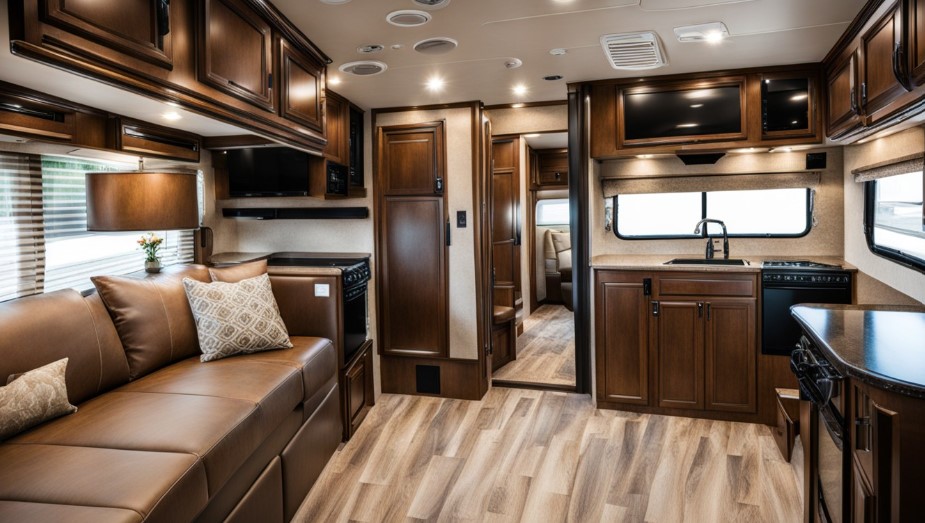
– RVs with desirable features and amenities, such as modern appliances, entertainment systems, and comfortable interiors, may depreciate more slowly.
– Upgrades such as high-quality flooring, countertops, and comfortable furnishings can positively impact resale value.
8. Market Conditions:
– Economic conditions and fuel prices can affect the demand for certain types of RVs.
– Regional variations in demand and supply can influence depreciation rates.
9. Upgrades and Modifications to Improve Resale Value:
– Thoughtful and functional upgrades may positively impact resale value.
– However, excessive or poorly executed modifications may have the opposite effect.
10. Insurance Claims and Accidents:
A clean history with no accidents or insurance claims generally results in better resale value.
– Accidents or extensive repairs can negatively impact depreciation.
Understanding these factors and their interplay can help RV owners make informed decisions about maintenance, upgrades, and when to sell or trade their vehicles. Keeping abreast of market trends and staying informed about the specific characteristics of your RV model can also aid in predicting depreciation more accurately.